


Under the Sea: Earth and Nautical Themed Children’s Room Ceiling Light

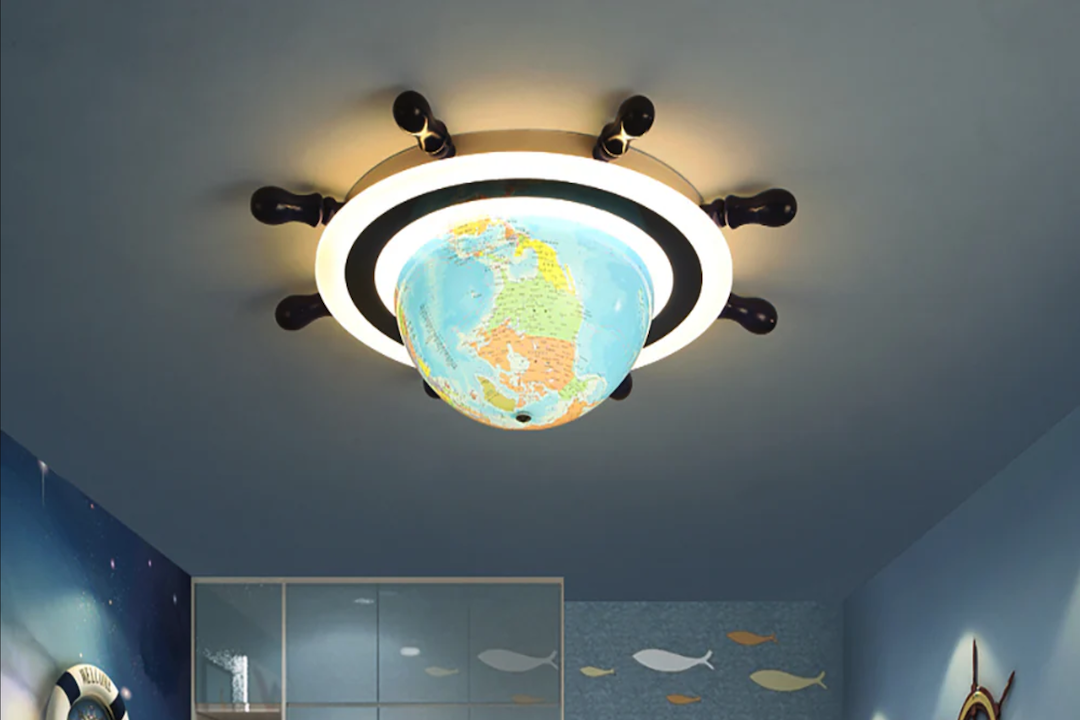
The allure of the ocean has captivated the imaginations of children and adults alike for centuries. The under the sea theme, with its vibrant colors, enchanting creatures, and mysterious depths, offers a unique opportunity to create a whimsical and immersive environment in a child’s room. This theme not only stimulates creativity but also fosters a sense of wonder and exploration.
By incorporating elements inspired by marine life, such as fish, coral reefs, and underwater landscapes, parents can transform a simple bedroom into an aquatic paradise that encourages play and learning. In recent years, the popularity of under the sea decor has surged, driven by a growing awareness of marine conservation and the beauty of ocean ecosystems. Children are naturally drawn to the ocean’s mysteries, making this theme an ideal choice for their personal spaces.
From playful wall art to themed bedding and accessories, the under the sea motif can be seamlessly integrated into various aspects of room design. One of the most impactful elements in this transformation is the ceiling light Shoowz, which can serve as both a functional fixture and a stunning focal point that enhances the overall ambiance of the room.
Benefits of Earth and Nautical Themed Children’s Room Ceiling Light
Choosing an earth and nautical-themed ceiling light for a child’s room offers numerous benefits that extend beyond mere aesthetics. First and foremost, these lights can create a calming atmosphere that promotes relaxation and comfort. Soft, diffused lighting mimics the gentle glow of sunlight filtering through water, providing a soothing environment conducive to sleep and play.
This is particularly important in a child’s room, where a peaceful ambiance can significantly impact their mood and overall well-being. Moreover, nautical-themed ceiling lights often feature designs that spark curiosity and imagination. For instance, fixtures shaped like jellyfish or starfish can serve as conversation starters, encouraging children to learn more about marine life and ecosystems.
This educational aspect is invaluable, as it can inspire a lifelong interest in nature and environmental stewardship. Additionally, these lights can be designed to incorporate energy-efficient LED technology, which not only reduces electricity costs but also aligns with eco-friendly practices that teach children the importance of sustainability from an early age.
Different Types of Under the Sea Ceiling Lights
The market offers a diverse array of under the sea ceiling lights, each with its unique charm and functionality. One popular option is the pendant light, which hangs from the ceiling and can be designed to resemble various marine elements such as seashells or coral formations. These fixtures often serve as statement pieces that draw attention while providing ample illumination for the room.
For example, a pendant light shaped like a giant clam can create a stunning focal point above a child’s bed or play area. Flush mount lights are another excellent choice for under the sea-themed rooms. These fixtures sit close to the ceiling and are ideal for spaces with lower ceilings or for parents seeking a more understated look.
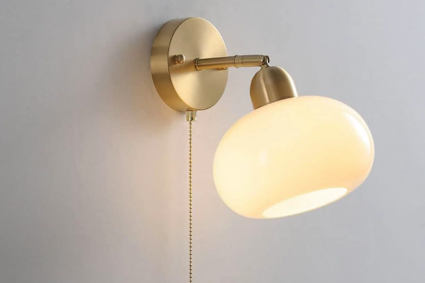
Many flush mount designs incorporate whimsical elements like fish or bubbles, adding a playful touch without overwhelming the decor. Additionally, wall sconces featuring marine motifs can complement ceiling lights by providing additional layers of illumination while enhancing the underwater theme throughout the room.
How to Choose the Right Under the Sea Ceiling Light for Your Child’s Room
Selecting the perfect under the sea ceiling light involves several considerations to ensure it aligns with both aesthetic preferences and practical needs. First, assess the size of the room and the height of the ceiling. A larger room may benefit from multiple light sources or a larger pendant fixture to ensure adequate illumination.
Conversely, smaller rooms might require more compact designs that do not overpower the space while still providing sufficient light. Another critical factor is the color scheme of the room. Under the sea themes often incorporate shades of blue, green, and sandy beige, reminiscent of ocean waters and beaches.
When choosing a ceiling light, consider how its colors will harmonize with existing decor elements such as wall paint, bedding, and accessories. A light fixture that complements these colors can enhance the overall aesthetic while creating a cohesive look. Additionally, consider the style of the room—whether it leans towards modern minimalism or whimsical charm—as this will influence your choice of design.
Tips for Decorating a Children’s Room with Under the Sea Theme
Decorating a child’s room with an under the sea theme requires thoughtful planning to create an immersive experience that captures their imagination. Start by selecting a color palette inspired by ocean hues—think soft blues, vibrant corals, and sandy neutrals. These colors can be incorporated into wall paint, bedding, curtains, and rugs to establish a cohesive look that evokes the feeling of being underwater.
Incorporating various textures can also enhance the theme significantly. Consider using plush rugs that mimic sandy beaches or wall decals that depict underwater scenes filled with colorful fish and coral reefs. Three-dimensional elements like hanging jellyfish made from paper lanterns or fabric can add depth to the decor while engaging children’s senses.
Additionally, integrating educational elements such as books about marine life or interactive toys can further enrich their understanding of ocean ecosystems while keeping them entertained.
DIY Under the Sea Ceiling Light Ideas
For those who enjoy crafting and want to add a personal touch to their child’s room, DIY under the sea ceiling light projects can be both fun and rewarding. One simple idea involves transforming an ordinary pendant light into an aquatic masterpiece using materials like colored tissue paper or fabric. By cutting out shapes resembling fish or seaweed and attaching them to a plain lampshade, you can create a vibrant underwater scene that casts colorful shadows when illuminated.
Another creative project involves using clear plastic bottles to craft jellyfish-inspired ceiling lights. By cutting off the bottoms of bottles and attaching LED lights inside, you can create glowing jellyfish that sway gently when hung from the ceiling. This not only adds an enchanting element to the room but also serves as an engaging activity for children to participate in alongside their parents.
Such DIY projects foster creativity while allowing families to bond over shared interests in art and design.
Safety Considerations for Children’s Room Ceiling Lights
When selecting ceiling lights for children’s rooms, safety should always be a top priority. Ensure that any fixtures chosen are made from non-toxic materials and are free from sharp edges or small parts that could pose choking hazards. Additionally, consider opting for LED bulbs instead of traditional incandescent ones; LEDs emit less heat and are less likely to cause burns if touched accidentally.
It is also essential to install lights at appropriate heights to prevent children from reaching them easily. For pendant lights, ensure they hang high enough so that children cannot grab them while playing or jumping around. Furthermore, consider using dimmer switches to allow for adjustable lighting levels; this feature enables parents to create softer lighting during bedtime routines while providing brighter illumination during playtime.
Creating a Magical Under the Sea Atmosphere for Kids
Designing a child’s room with an under the sea theme offers an exciting opportunity to foster creativity and imagination while providing a nurturing environment for growth and learning. By carefully selecting ceiling lights that align with this theme—whether through whimsical designs or DIY projects—parents can create an enchanting atmosphere that transports children into an aquatic world filled with wonder. With thoughtful consideration of safety and decor elements, transforming a child’s space into an underwater paradise becomes not just feasible but also immensely rewarding for both parents and children alike.